What Causes Condensation?
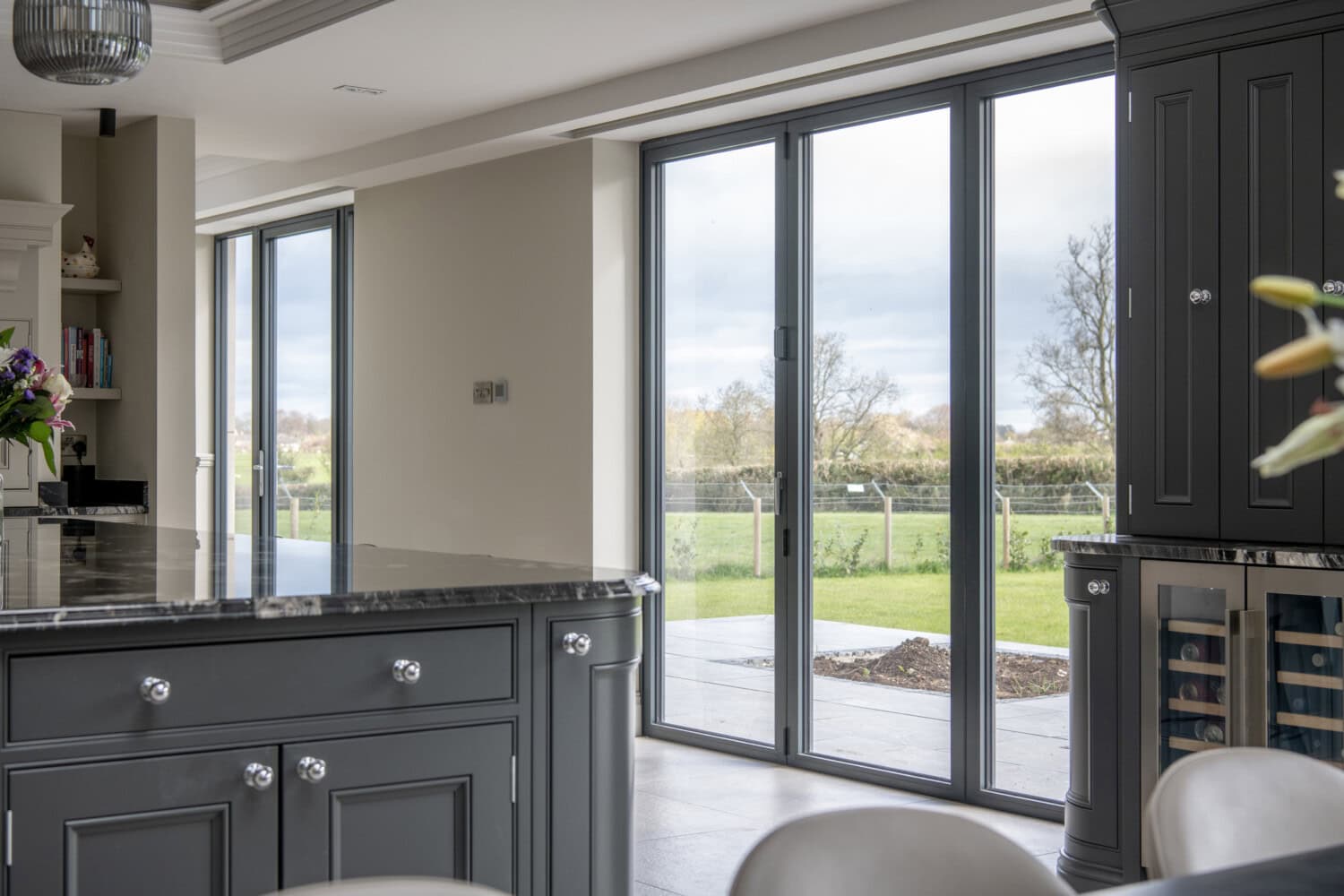
Condensation occurs when warm, moisture rich air meets a colder surface. In winter, window glass and frames are often the coldest areas in the home. When humid indoor air cools rapidly against these surfaces, water vapour turns into visible droplets.
Common causes of condensation on windows include:
- Limited ventilation
- Older or inefficient glazing
- Cold window frames that transfer heat quickly
- Moisture released through cooking, bathing and drying clothes indoors
If left unmanaged, condensation can lead to damp patches, peeling finishes, and mould growth around window frames and walls. Over time, this can affect both indoor air quality and building fabric.
Insulation Is Key to Reducing Condensation
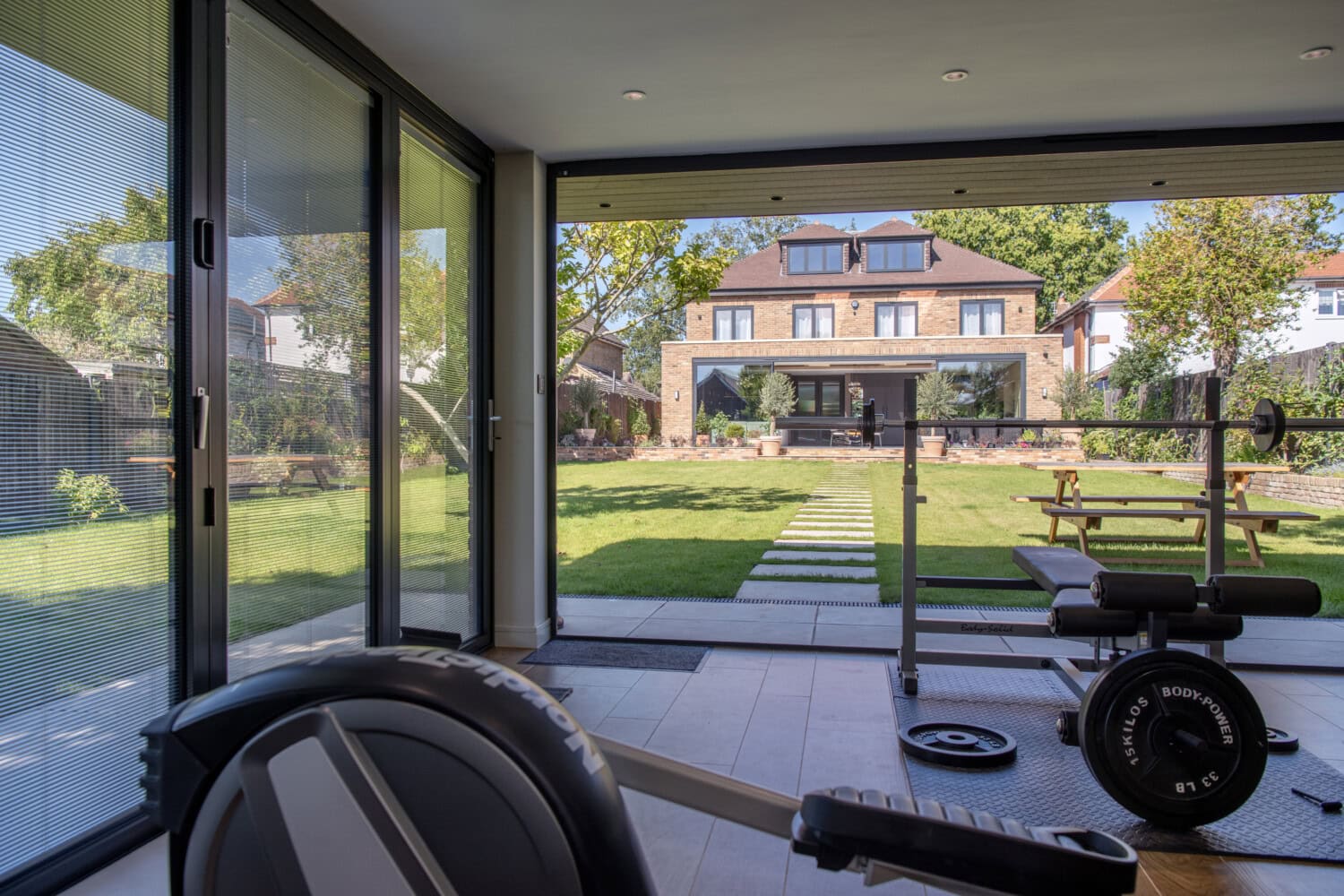
Insulation plays a central role in how to reduce condensation on windows, as well insulated homes maintain warmer internal surface temperatures. When glass and frames stay closer to room temperature, moisture is far less likely to form.
Upgrading insulation also supports
- Improved thermal comfort
- Reduced heat loss
- Lower heating demand
- More stable indoor temperatures
When insulation works alongside controlled ventilation, moisture levels remain balanced without unnecessary heat loss.
Effective Ways to Combat Condensation on Windows in Winter

Double Glazed Windows
Double glazing is one of the most effective ways to reduce condensation on windows. By using two panes of glass separated by an insulating gas layer, double glazed windows slow heat transfer and keep the internal glass surface warmer, making condensation far less likely to form.
At Express Bifolds Direct our double glazed windows include:
- Low E glass coatings that reflect heat back indoors
- Argon gas filled cavities
- Warm edge spacer bars that reduce cold bridging
These features work together to minimise heat loss and significantly reduce condensation. Warm edge spacers are particularly effective, as condensation often appears first around the edges of the glass where cold bridging is most common.
In short: double glazed windows reduce cold surfaces and limit moisture build up.
Thermally Broken Aluminium Frames
Traditional aluminium frames are excellent structurally, but older designs conduct heat quickly. This allows cold from outside to travel straight through the frame, often leading to condensation forming on the inside surface.
Modern aluminium windows and aluminium doors solve this with thermal break technology. A thermally broken frame includes an insulated barrier between the internal and external sections of aluminium. This break interrupts heat transfer, helping the inside of the frame stay noticeably warmer during colder months.
Benefits include:
- Reduced condensation on frames
- Improved overall insulation
- Lower risk of damp around openings
- Better temperature consistency indoors
Thermal bridging through frames can account for a significant proportion of heat loss in poorly insulated windows and doors. By minimising this transfer, thermally broken aluminium frames play an important role in maintaining comfort, reducing moisture issues, and improving long-term energy efficiency.
In short: thermally broken aluminium frames keep internal surfaces warmer and drier.

Curtains, Integrated Blinds & Glass Temperature
Window coverings can play an important role in managing condensation when used correctly. Integrated blinds that are sealed within the glass unit sit in a protected cavity and help regulate internal temperatures without coming into contact with moisture.
Benefits include:
- Reduced heat loss during winter
- No exposure to moisture
- Clean, low maintenance operation
Curtains can also help by limiting direct contact between cold air and the glass surface. To be effective, they should allow some airflow around the window to prevent moisture becoming trapped against the glass.
In short: insulated coverings support warmer glass temperatures.
Ventilation That Works With Insulation
Ventilation remains essential in modern homes that are increasingly airtight. Without proper airflow, moisture has nowhere to escape.
Effective ventilation solutions include:
- Trickle vents integrated into window and door frames
- Night vent settings that allow airflow while windows remain secure
- Aluminium sliding doors and bifold doors that open wide for rapid air exchange
Trickle vents now form part of building regulations and allow steady background ventilation without significant heat loss. Night vents allow safe airflow overnight, helping manage moisture levels during colder evenings.
Ventilation works best alongside insulation upgrades, preventing humid air from lingering on cold surfaces.
In short: balanced ventilation removes moisture without sacrificing warmth.
Anti Condensation Paint in Moisture Prone Rooms
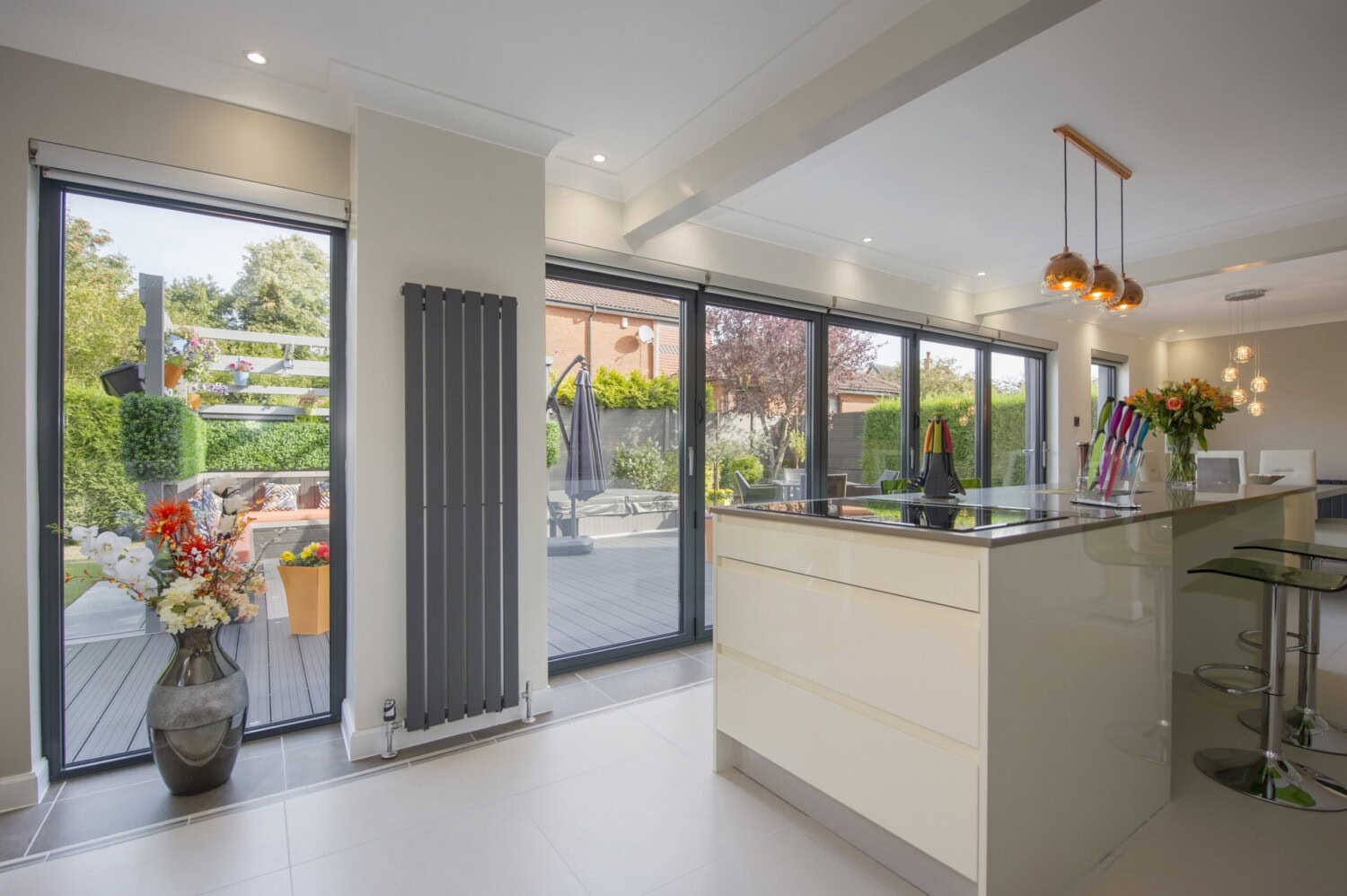
Bathrooms, kitchens and utility areas often experience higher humidity levels. Anti condensation paint contains insulating properties that reduce surface cooling and limit moisture formation.
This solution works well alongside
- Extractor fans
- Improved glazing
- Better airflow
It is especially helpful on external walls where cold surfaces attract condensation.
In short: specialist coatings add another layer of protection.
Installation Quality Matters
Even the highest-performing products rely on correct installation to deliver their full benefits. Gaps, misalignment, or poorly sealed frames can allow cold air to enter and warm air to escape, increasing heat loss and the risk of condensation.
All our products are supplied with a detailed fitting instruction manual, making installation straightforward for a skilled tradesperson. When buying Direct for a DIY project, we strongly recommend taking precise measurements before placing your order to ensure an accurate fit.
Proper installation ensures:
- Frames are fully insulated
- Glass units perform as designed
- Seals prevent draughts and cold spots
- Long term performance remains consistent
This is particularly important for front doors, sliding doors, French doors and premade bifold doors, where precision fitting protects both comfort and efficiency.
In short: correct installation protects insulation and limits condensation.
Everyday Steps That Help Reduce Condensation
Small daily habits can make a noticeable difference in managing moisture levels inside the home.
- Dry clothes outdoors where possible
- Use extractor fans during cooking and bathing
- Open windows briefly to refresh air
- Wipe condensation from windows when it appears
- Check seals on windows and doors for wear
These steps work alongside insulation upgrades and modern glazing systems, helping to maintain balanced humidity levels and reduce the risk of condensation throughout the winter months.
Expert Insight from Express Bifolds Direct
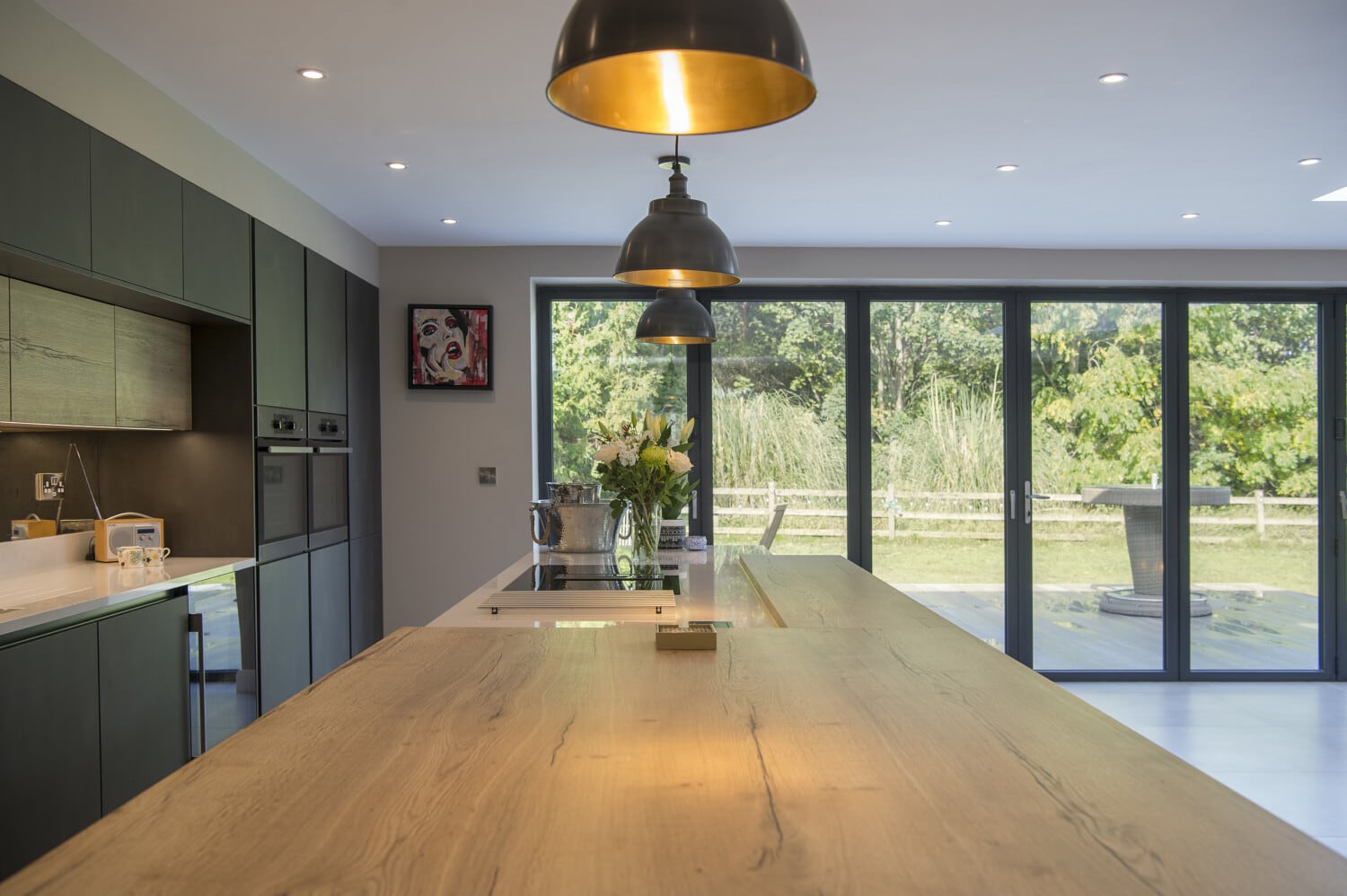
“Condensation is often misunderstood as a ventilation issue alone. In reality, insulation quality, glazing performance, and installation precision all play a part. Addressing these together delivers the most reliable results during winter and beyond.”- Steve Bromberg, Managing Director, Express Bifolds Direct
Understanding how to stop condensation on windows in winter begins with recognising the balance between insulation, glazing and airflow. When cold internal surfaces are reduced through high quality double glazing, thermally broken aluminium frames and controlled ventilation, condensation becomes far easier to manage during the colder months.
At Express Bifolds Direct, we work with homeowners every day to resolve condensation issues at the source. With a five working day turnaround on many of our most popular products, including premade bifold doors and aluminium windows, we help support warmer internal glass temperatures and healthier indoor environments without unnecessary delays. Explore our range online or visit one of our showrooms to see how the right glazing solutions can support a drier, more comfortable home throughout winter.